



Zhongguancun, next door
Products here go from decision to launch in weeks, then get tested against hundreds of millions of users. In Beijing you experience this intensity and scale for yourself.

Spend a year inside a Beijing startup while taking classes at Peking University. Products here are built to launch to hundreds of millions of people from day one.
Partner uni
Peking University
Format
Intake
Audience
Undergraduates only
Ecosystem
Cohort size
~25 students per intake
Baidu, Lenovo and Xiaomi all started in Zhongguancun, a district in the northwest of the city that sits directly beside Peking University. The companies in it are not building for a city or a country. They are building for a market larger than Europe, and they ship to it in weeks. The universities, the money and the policy all sit within a few streets of each other, which is why so much of Chinese technology has come out of this one district.
Scale changes the work itself. A feature you help specify goes out to more users in a fortnight than most Western startups reach in a decade, so decisions get made faster, tested harder, and reversed without ceremony. NOC students here have worked on algorithms, product, carbon markets, wind power and photovoltaics. You will not find a slower version of any of it.
The year is bigger than the job. Students attend the Zhongguancun Forum, the World Robot Conference and the HICOOL summit, and they travel. China is roughly the size of Europe, and alumni come back having watched the sun rise over the Gobi Desert and walked around Shanghai in the same twelve months they spent working in Beijing.
Products here go from decision to launch in weeks, then get tested against hundreds of millions of users. In Beijing you experience this intensity and scale for yourself.
You take entrepreneurship classes at Peking University while the internship runs. Four of your thirty-six NOC units come from them, and the campus is a subway ride from most host companies.

The Zhongguancun Forum, the World Robot Conference and the HICOOL summit all happen while you are there, and none of them need an invitation. What you do with the rest of the year is yours.
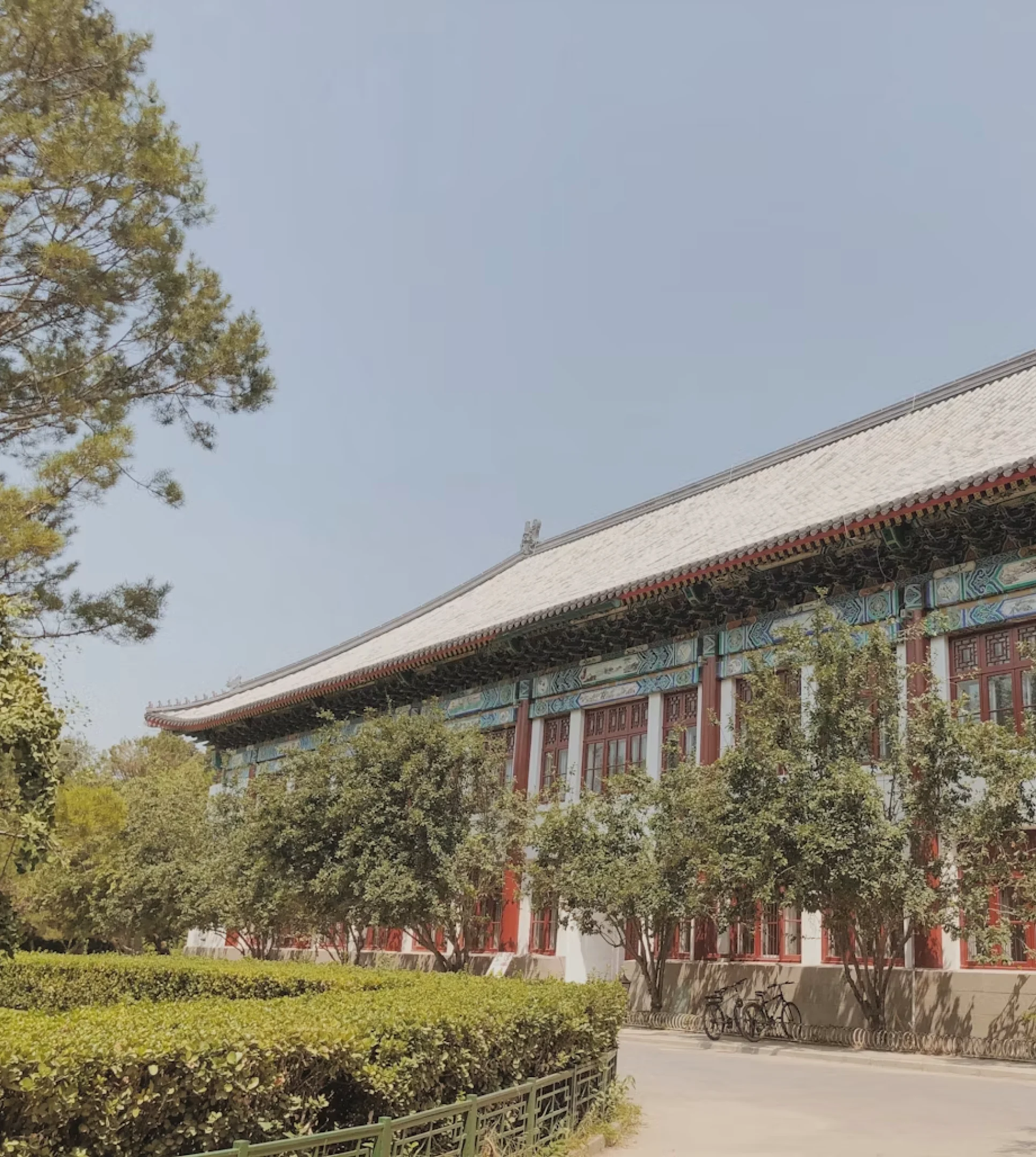
You take classes on entrepreneurship at Peking University while the internship runs. Four of your thirty-six NOC units come from those classes. The other thirty-two come from your internship.
The system that put Chinese characters into computers was built at Peking University and became a company in 1986. Baidu's founder graduated in 1991. The university now runs its own venture funds and the companies coming out of its labs are worth billions.
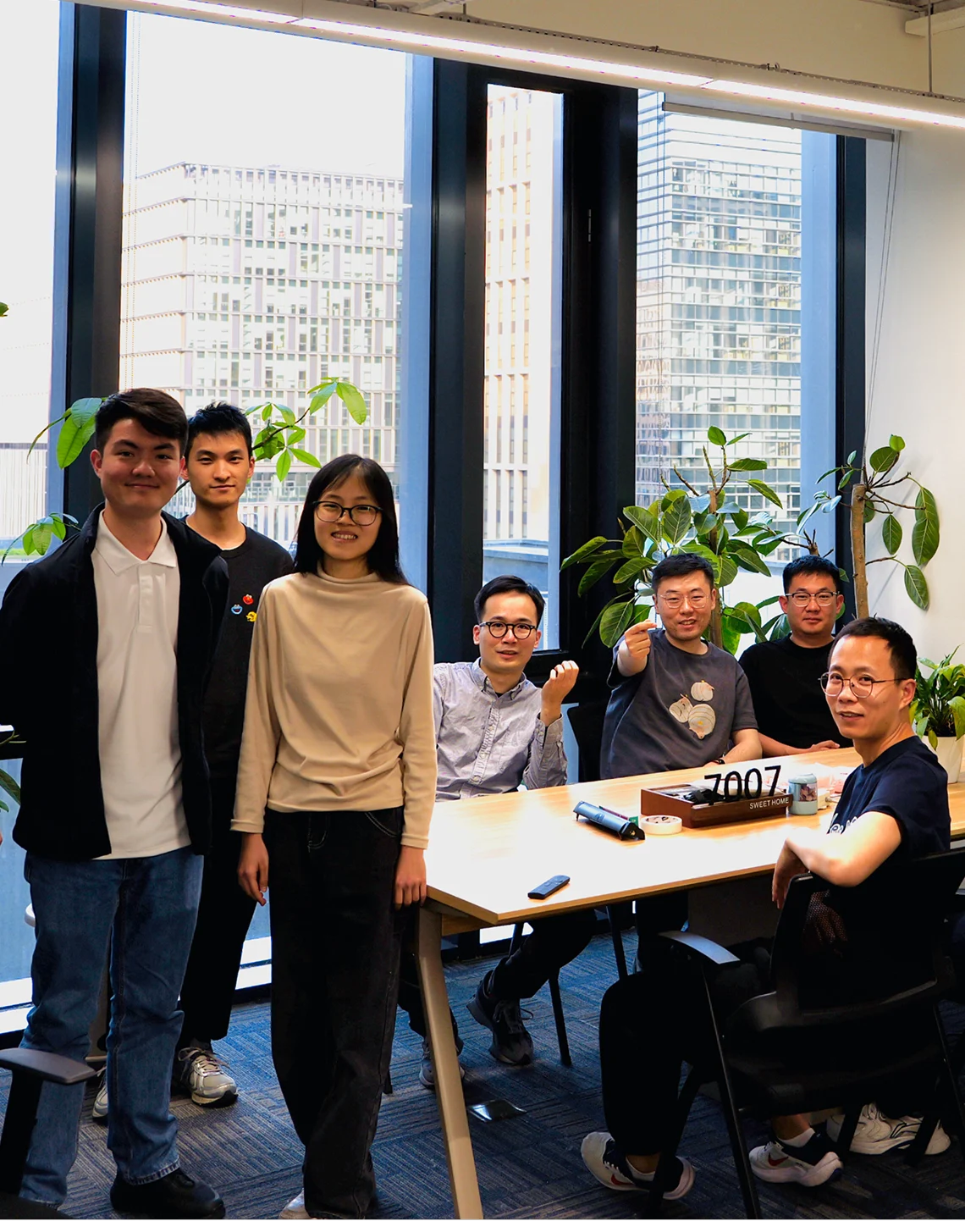
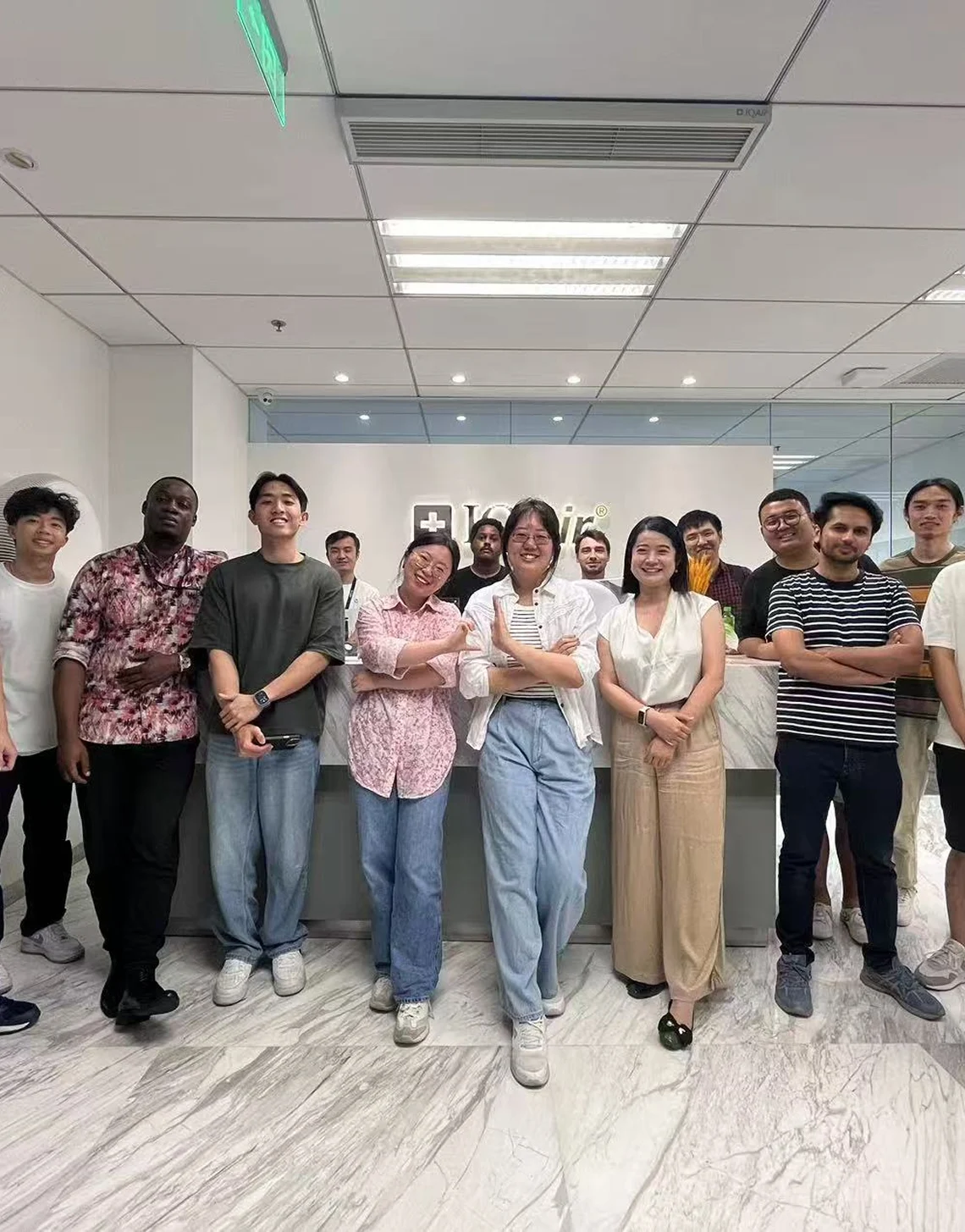

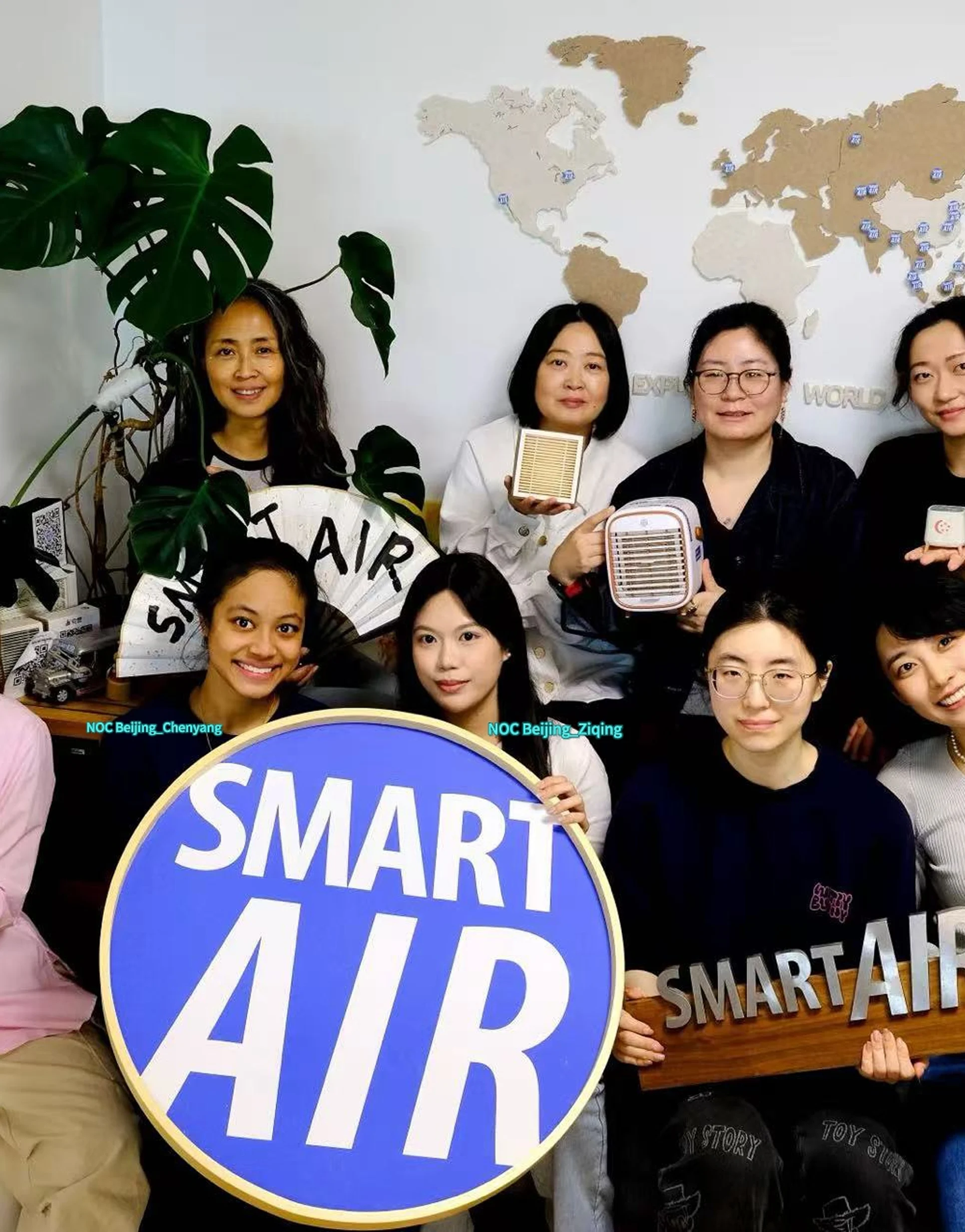

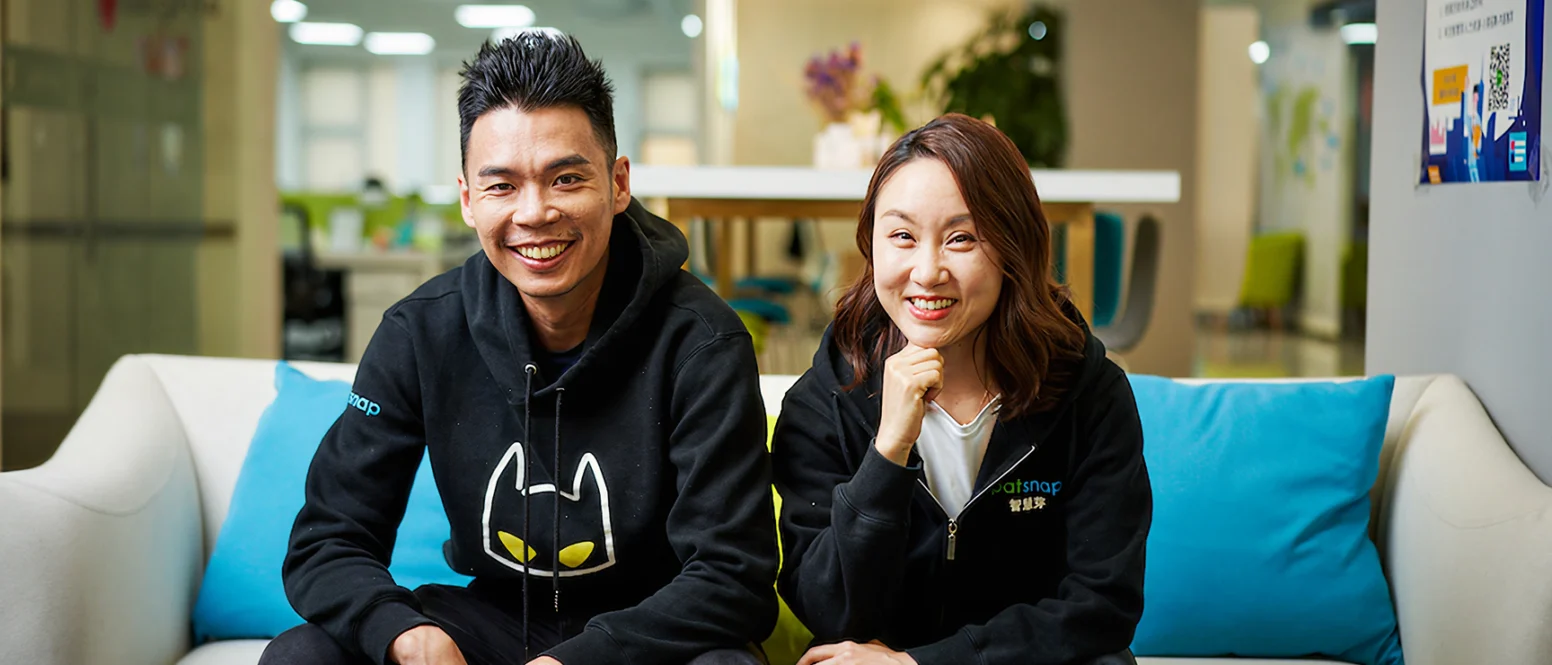
NOC Beijing placed me inside a startup environment where coursework, internship work, and the local ecosystem all connected. It changed how I think about building companies.
The strongest part was learning beside founders and classmates at the same time. You see how the China market works, then bring those lessons back to NUS.
NOC Student
NOC Beijing Alumnus | Aug 2023 Intake | NUS Business School | BBA
NOC Student
NOC Beijing Alumna | Jan 2024 Intake | NUS College of Design and Engineering
Cost of living [ $$$ ]
SGD 1,700 a month
Accommodation
NOC supports housing search. Students often take over the previous cohort's flat.
Stipend & awards
Most students receive an internship stipend from their host company. NOC awards available via Awards & Scholarships
Visa
Chinese student visa. NOC covers the full application cost
Language
Climate
Time zone
Getting around
Subway and bus on one card. Nobody needs a car.
Rank Beijing in your application. Note that NOC reserves the right to assign you to any available location regardless of stated preference.
Start your application