





The biggest playbook
If you want to learn how consumer tech, marketplaces, and AI products are built, there is no denser concentration of working examples anywhere else on the planet.

Spend a year inside a Bay Area startup while taking classes on entrepreneurship at Stanford. You learn how startups in the most innovative ecosystem in the world run by helping operate one.
Partner uni
Stanford University
Format
Intake
Audience
Undergraduates only
Ecosystem
Cohort size
~25 students per intake
The Bay Area has spent seventy years making an unusual career look normal. Nobody asks you to explain yourself if you leave a steady job for eight people in a rented office. That is what students underestimate before they arrive and what they carry home. Everything else is proximity. The apps on your phone, the labs at Stanford, and the funds that wrote the first cheques for all of it sit within an hour of your desk.
For NOC students, this density is the curriculum. You learn that working at a "startup" isn't one job description but dozens. Early-stage product engineer, growth marketer, founding designer, BD lead at a fifty-person Series B, ops generalist at a three-person seed company. The default expectation in the Valley is that you'll try several roles. That permission to iterate on your own career is rarer than it sounds, harder than it appears, and ultimately more rewarding for an early stage career than any other opportunity you might have.
The trade-off is intensity, with long hours and a relentless pace that will challenge you, but also help you grow. NOC's housing, cohort, and mentor structure exists specifically to absorb that.
If you want to learn how consumer tech, marketplaces, and AI products are built, there is no denser concentration of working examples anywhere else on the planet.

While interning at a startup, you take entrepreneurship classes at Stanford, with full access to the faculty and community that founded products and companies like Google, Stripe, and Instagram, among countless others.

The MOU signed with NUS in 2001 makes Silicon Valley the founding location of the entire NOC. Every cohort since has added alumni who now build, invest, and hire, both in the Bay Area and in Singapore.
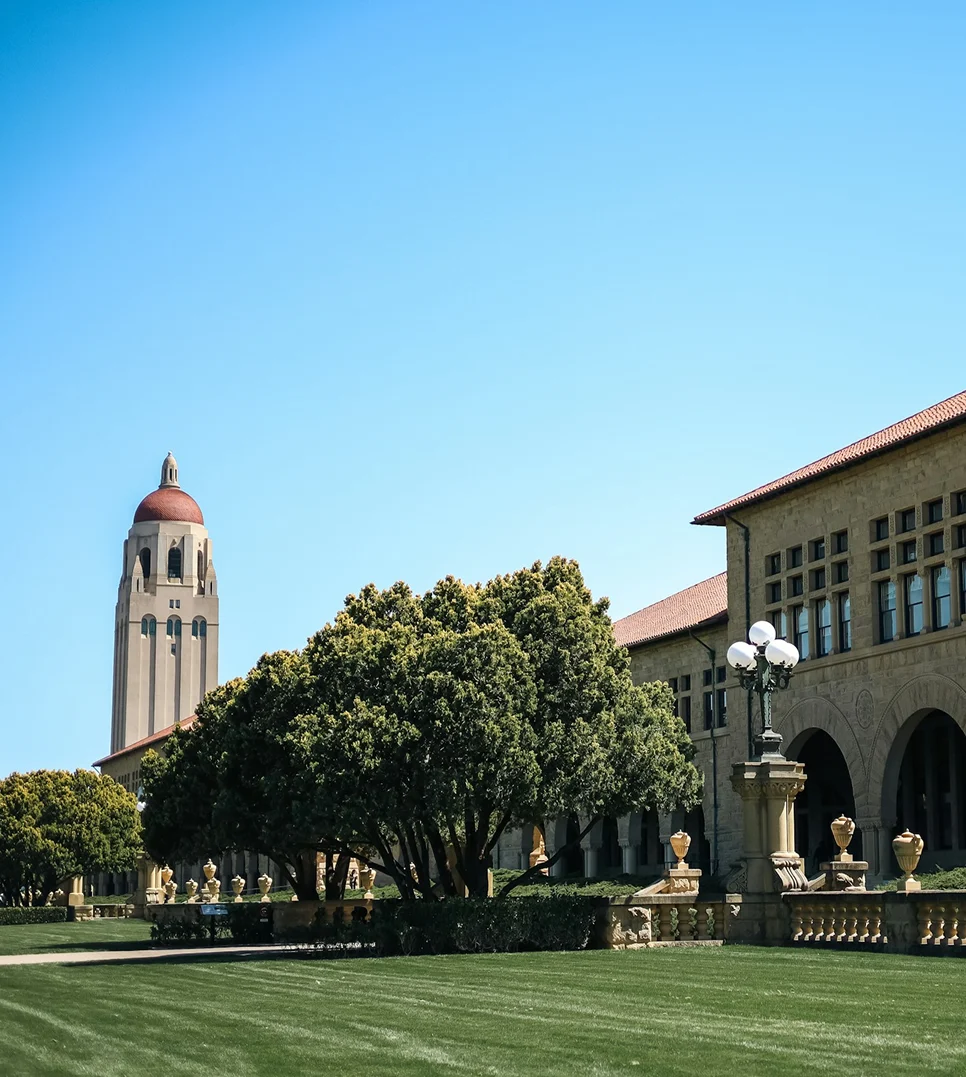
NOC students take entrepreneurship and innovation coursework at Stanford's School of Engineering and the Graduate School of Business' Center for Entrepreneurial Studies. Coursework is designed for working students — venings and weekends, with content connected to what you're seeing inside your startup internship.
Coursework is taken in harmony with your working obligations. Content is connected to what you're seeing inside the startup you intern at everyday.




"Overall, the NOC experience has equipped me with the skills, knowledge, and confidence needed to thrive in the startup world. It also connected me with a global network of entrepreneurs, mentors, and peers who continue to support and inspire me as I embark on my own startup journey. I’m excited for what lies ahead and am deeply grateful for the invaluable experiences and connections I made through this program."
"Working alongside the best in the industry and in a global innovation hub enabled me to broaden my capabilities and hone skillsets that are essential to the success of a deep tech startup. I am glad that I had the opportunity to directly impact the lives of many patients. All in all, the NOC experience has been exceptional in enabling me to step outside my comfort zone to grow as a young innovator and soon-to-be entrepreneur!"
"The NOC Silicon Valley programme was truly a shaping experience for me... Being able to work in a fast-growing tech start-up with some of the most passionate individuals had not just helped me develop technical skills but also be inspired by their vision and their effort to bring ideas into reality."
"Silicon Valley has always been the go-to ecosystem for any aspiring startup founders, including me. Looking back, it was the combination of the internship company, well-structured program modules, inspiring partner university, and ambitious fellow students that made the NOC experience exceptional and memorable."

Lee Jun Liang
NOC Silicon Valley Alumnus | 2023 | NUS Business School

Varun Ramnarayan
NOC Silicon Valley Alumnus | 2022 | College of Design and Engineering

Talagadadivi Durga Rukmini Manaswini
NOC Silicon Valley Alumna | 2021 | College of Design and Engineering
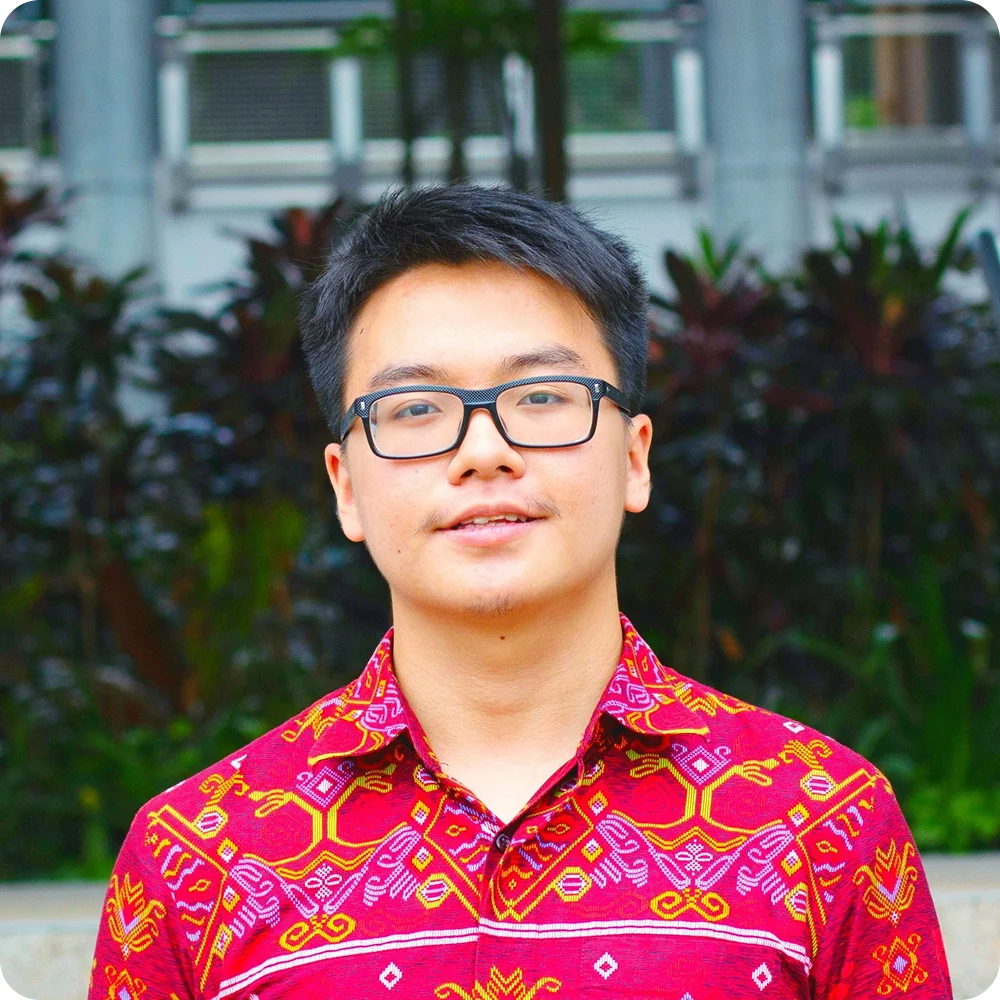
Hans Sebastian Mulyawan
NOC Silicon Valley Alumnus | 2021 | College of Design and Engineering
Cost of living [ $$$ ]
$2,500–3,500
Accommodation
NOC supports housing search. Most students share apartments in Palo Alto, Redwood City, or San Francisco
Stipend & awards
Most students receive an internship stipend from their host company. NOC awards available via Awards & Scholarships
Visa
J-1 Exchange Visitor visa, sponsored through NOC's partnership infrastructure. Process begins ~3 months before departure
Language
Climate
Time zone
Getting around
Caltrain spine between SF and SJ. A car helps but isn't required.
All three are submitted via myEduRec → External Study Online Application → Program Application → Supporting Document, before the application deadline.
NOC may withdraw your application if any are missing.
Rank Silicon Valley in your application. Note that NOC reserves the right to assign you to any available location regardless of stated preference.
Start your application