



Sakura Seet
Why are founders going anti-algorithm
BLOCK71
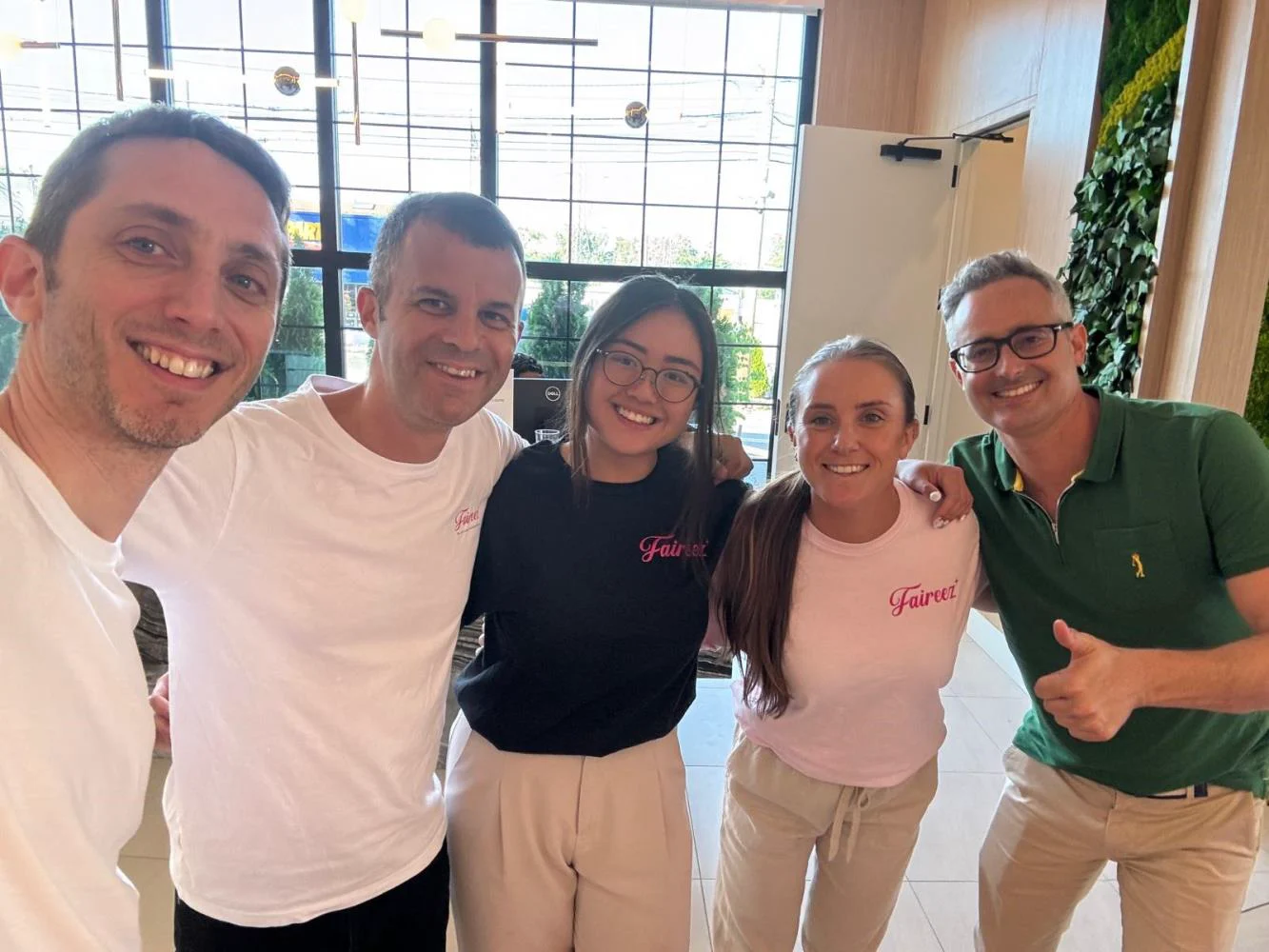
A conversation with Beverly Wan, NOC New York alumna.
New York did not give Beverly Wan a single defining moment. It gave her a year of them. A full-time startup role, entrepreneurship coursework, hackathons, side projects and the everyday work of living independently became one operating environment. NOC New York turned the city into a place to test ideas quickly — and Beverly used it.
Beverly arrived in New York in August 2023 for the year-long NUS Overseas Colleges programme. The premise was simple: learn entrepreneurship by working inside it. Beyond the classroom, she was surrounded by founders, operators and a startup ecosystem moving at New York speed.
Early in the programme, Beverly and her NOC peers attended the launch of the Global Innovation Alliance New York node. The experience made the link between Singapore and the US startup ecosystem tangible: local companies could use networks, market access and people on the ground to expand beyond home.
“The startup ecosystem in NYC, the diversity of people and the energy of the city opened my eyes to a multitude of global perspectives.”
Beverly Wan
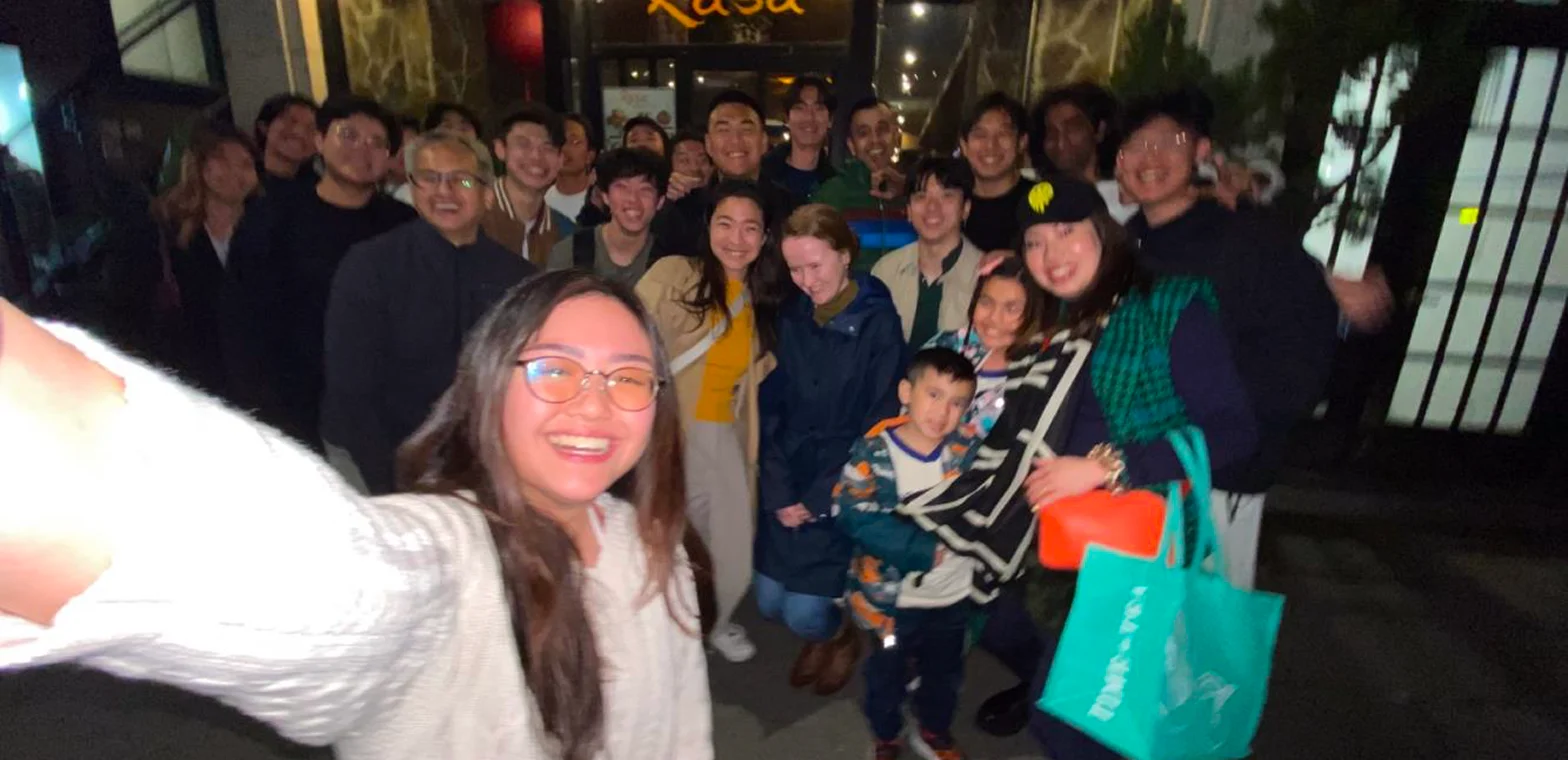
Her internship at Faireez inc. put that exposure into practice. Over seven months, Beverly led the company’s US marketing efforts, working across New York City and New Jersey. She supported launches in new residential buildings, ran promotions across the active portfolio, coordinated testimonials and focus groups, built email campaigns, analysed performance and pitched the service directly to residents and property-management partners.
The value was not the job title. It was the operating responsibility. Beverly had to turn broad goals into campaigns, test what worked and adjust quickly — the kind of feedback loop that is difficult to reproduce in a conventional classroom.
WHAT THE INTERNSHIP CHANGED
Outside work, Beverly kept building. Her NOC year included multiple hackathons across the US. At NEAR Hackbox Civic Tech NYC, her team won four bounties. At TartanHacks 2024, hosted by Carnegie Mellon University, the team won an on-chain finance challenge. At HackTCNJ, she picked up awards for frontend design and MongoDB use. At Rutgers University’s HackRU, her team won the Best Use of Starknet prize.
One project, RentGuard, came directly from living in the US. Beverly and her teammates saw how housing costs shaped everyday life and built a blockchain-based concept designed to help enforce rent-stabilisation limits more proactively. The pattern mattered: observe a real problem, make the mechanism concrete, then build and pitch a working response.
Beverly also revived @dearfoodiepebbles, an Instagram account that began as a personal food diary. In New York, she treated it like a venture. Starting from just over 200 followers, she pitched brands, negotiated collaborations, shot and edited short-form content on an iPhone and learned how to package her work professionally.
Over nine months, she grew the account 16-fold, worked with more than 200 brands across six North American cities and secured over US$20,000 in sponsorship value. The numbers are useful because they show the mechanism: repeated pitching, production, distribution and audience feedback turned a hobby into a small creator business.
The year was not only about startups. Living far from home meant managing work, classes, projects, friendships and the practical decisions that come with independence. That pressure was part of the education. NOC did not separate “learning entrepreneurship” from learning how to operate when time, energy and certainty were limited.
By the end of the year, Beverly had accumulated more than experiences. She had evidence that she could enter unfamiliar environments, find useful problems and build her way into them.
The year was not only about startups. Living far from home meant managing work, classes, projects, friendships and the practical decisions that come with independence. That pressure was part of the education. NOC did not separate “learning entrepreneurship” from learning how to operate when time, energy and certainty were limited.
By the end of the year, Beverly had accumulated more than experiences. She had evidence that she could enter unfamiliar environments, find useful problems and build her way into them.
New York rewarded action. Small experiments created information faster than waiting for certainty.
Events, mentors, colleagues and peers became part of the learning system.
RentGuard came from an observed housing challenge; @dearfoodiepebbles grew from a personal interest tested in-market.
Responsibility at Faireez forced decisions, feedback and iteration in real time.
16x
Follower growth
200+
Brand partnerships
US$20K+
Sponsorship value
Sakura Seet
Why are founders going anti-algorithm
Davidson Chua
Apply these new acquisition rules before they change again
Jean-Paul Valdes
Apply these new acquisition rules before they change again
Auston Quek
Why tech founders are moving their AI solutions into the physical world