





Sakura Seet
Why are founders going anti-algorithm
BLOCK71
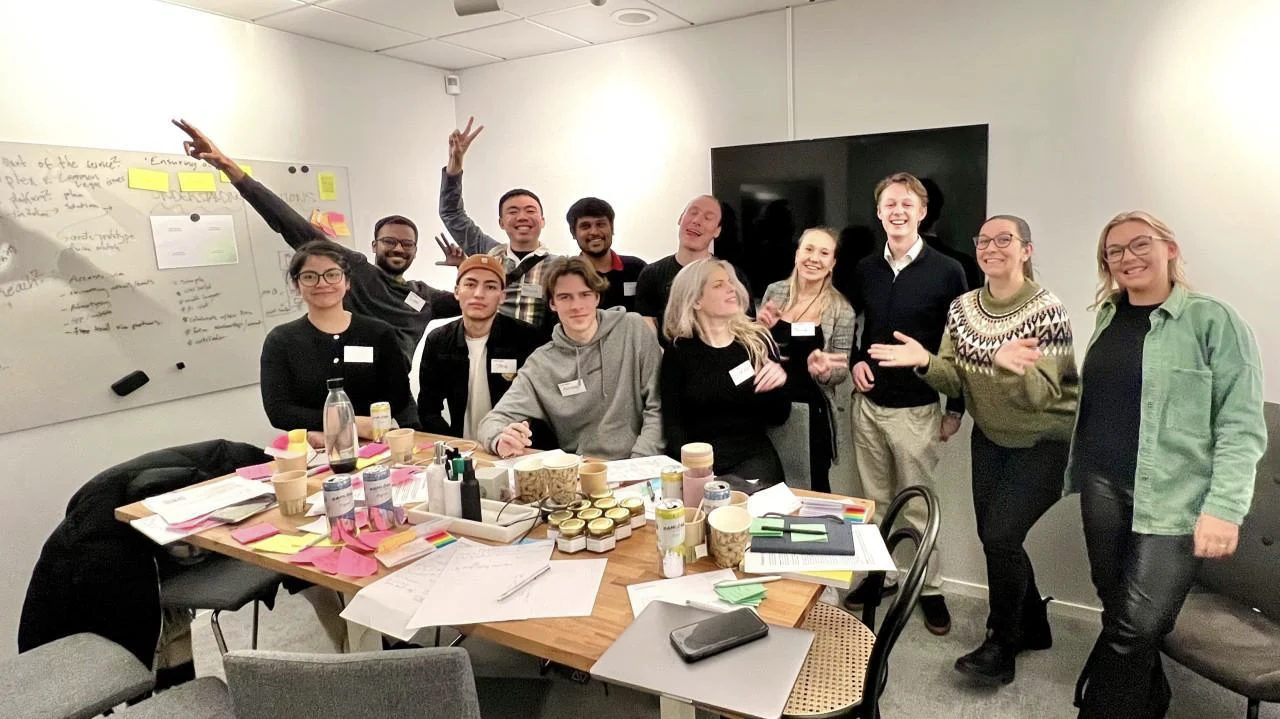
A conversation with Kerwin Chia, NOC Stockholm Jan 2023 alumnus, on learning to operate inside uncertainty.
Kerwin Chia chose Stockholm for a simple reason: he wanted to learn inside a city known for building startups, not just study entrepreneurship from a distance. Through NUS Overseas Colleges, he spent a year working at Goalplan while taking entrepreneurship courses at KTH Royal Institute of Technology. The arrangement put startup decisions, classroom frameworks and a new culture into the same week.
The adjustment was immediate. Dinner at 5pm felt unexpectedly early. Bus doors required a button press. Fika — the Swedish ritual of stepping away for coffee and pastries — showed him a different rhythm of work. Then winter arrived. The cold was manageable; the darkness was harder. Sunlight became scarce, and everyday routines had to adapt with it.
“The coolest thing? Fika. It’s not just about food, but about slowing down and appreciating the moment.”
Kerwin Chia
At Goalplan, the lesson was not that startups need better ideas. It was that ideas only become companies through execution. Kerwin watched strategies change quickly and saw how teams had to respond before certainty arrived. That experience shifted his view of entrepreneurship from planning for the right answer to building the capacity to move, learn and adjust.
One line from his mentor or boss captured that operating style: “Perfect is the enemy of done.” For Kerwin, the value was practical. Start with what can be tested. Put it into the world. Learn from what happens. Refine from evidence rather than waiting for a perfect plan.

“I saw first-hand how quickly strategies had to pivot, and it taught me to be comfortable with change.”
Kerwin Chia
The NOC year stretched beyond work. There were late-night pitch preparations, a first Swedish winter and, from his window, the Northern Lights. Each experience carried the same underlying lesson: growth often arrives before comfort does. Stockholm gave Kerwin repeated chances to act without having every variable under control.
Asked to sum up the experience in three words, he chose “Transformative. Eye-opening. Unforgettable.” The more useful takeaway sits underneath those adjectives. NOC placed him inside a startup, a university and a new city at the same time. The result was not simply exposure to entrepreneurship, but practice in the behaviours it demands: execution, adaptability and the willingness to keep moving through uncertainty.
NOC embeds students in startup hubs while they work at startups and study entrepreneurship. Kerwin’s year in Stockholm shows what that structure can produce at the individual level: not a polished founder story, but a more formed operator — someone who has worked through changing strategies, unfamiliar routines and a long Nordic winter, and learned to keep building.
“Perfect is the enemy of done” became a working principle. Start, test and refine rather than waiting for certainty.
Strategies can pivot quickly inside a startup. The useful skill is not predicting every change, but responding well when it arrives.
Stockholm winter brought a challenge Kerwin had underestimated: darkness. Practical preparation matters because life outside work affects how you show up inside it.
Fika, local routines and even the Northern Lights became part of the learning. A global programme changes you through the city as much as through the startup.
Sakura Seet
Why are founders going anti-algorithm

Davidson Chua
Apply these new acquisition rules before they change again
Jean-Paul Valdes
Apply these new acquisition rules before they change again

Auston Quek
Why tech founders are moving their AI solutions into the physical world