

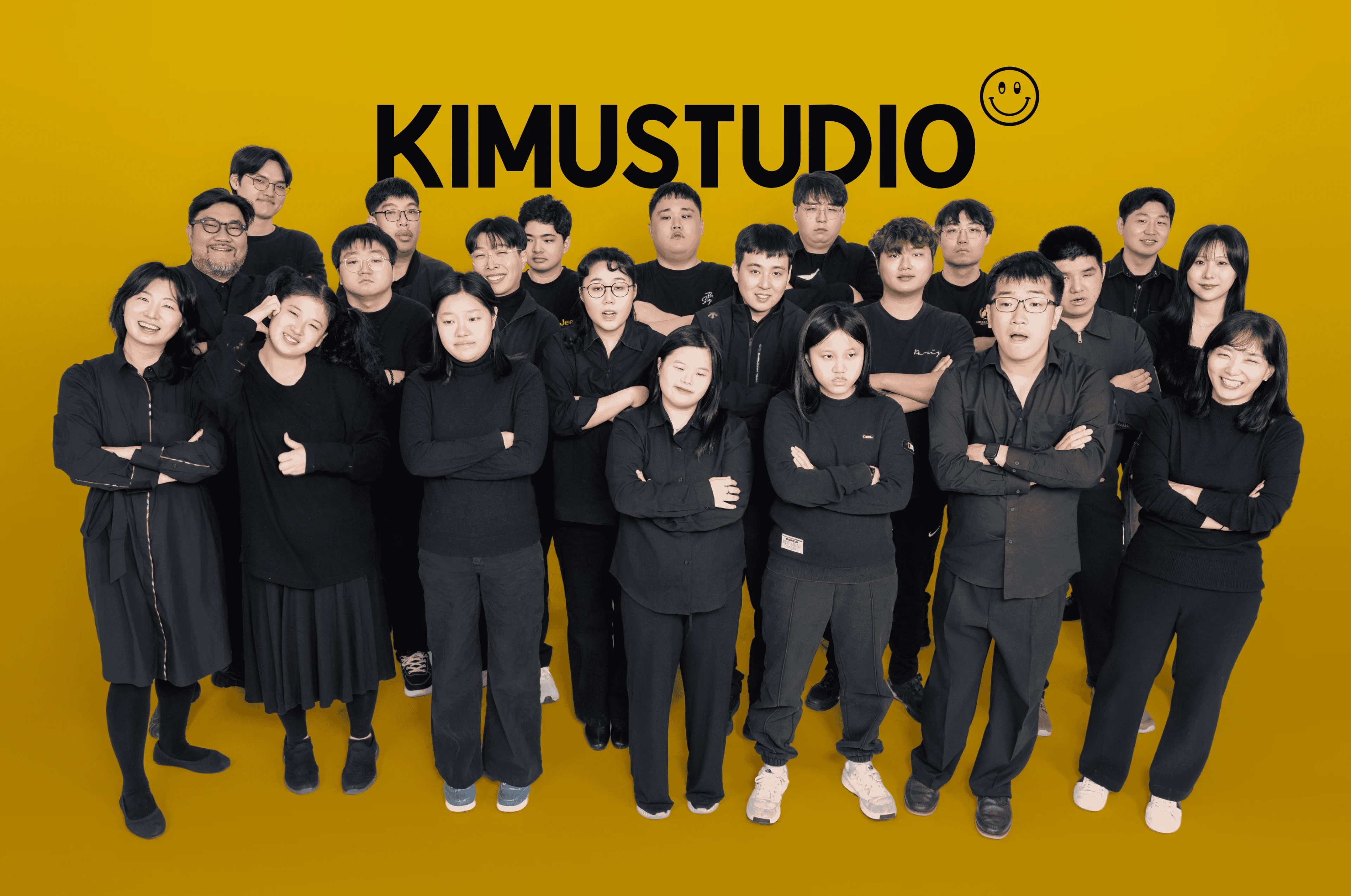
Kimu Studio · Seoul, South Korea
“My goal is for society to see our Special Designers as artists, no different from anyone else.”
A conversation with Jangwon Nam, Co-founder of Kimu Studio.
Social Impact HubB71Social Impact
![[2024.07.25] – TS2 Demo Day & Opening of BLOCK71 Social Impact Hub – 493](/wp-media/2026/09/2024.07.25-TS2-Demo-Day-Opening-of-BLOCK71-Social-Impact-Hub-493-scaled.webp)
A conversation with Gong He, Co-Founder of FingerDance.
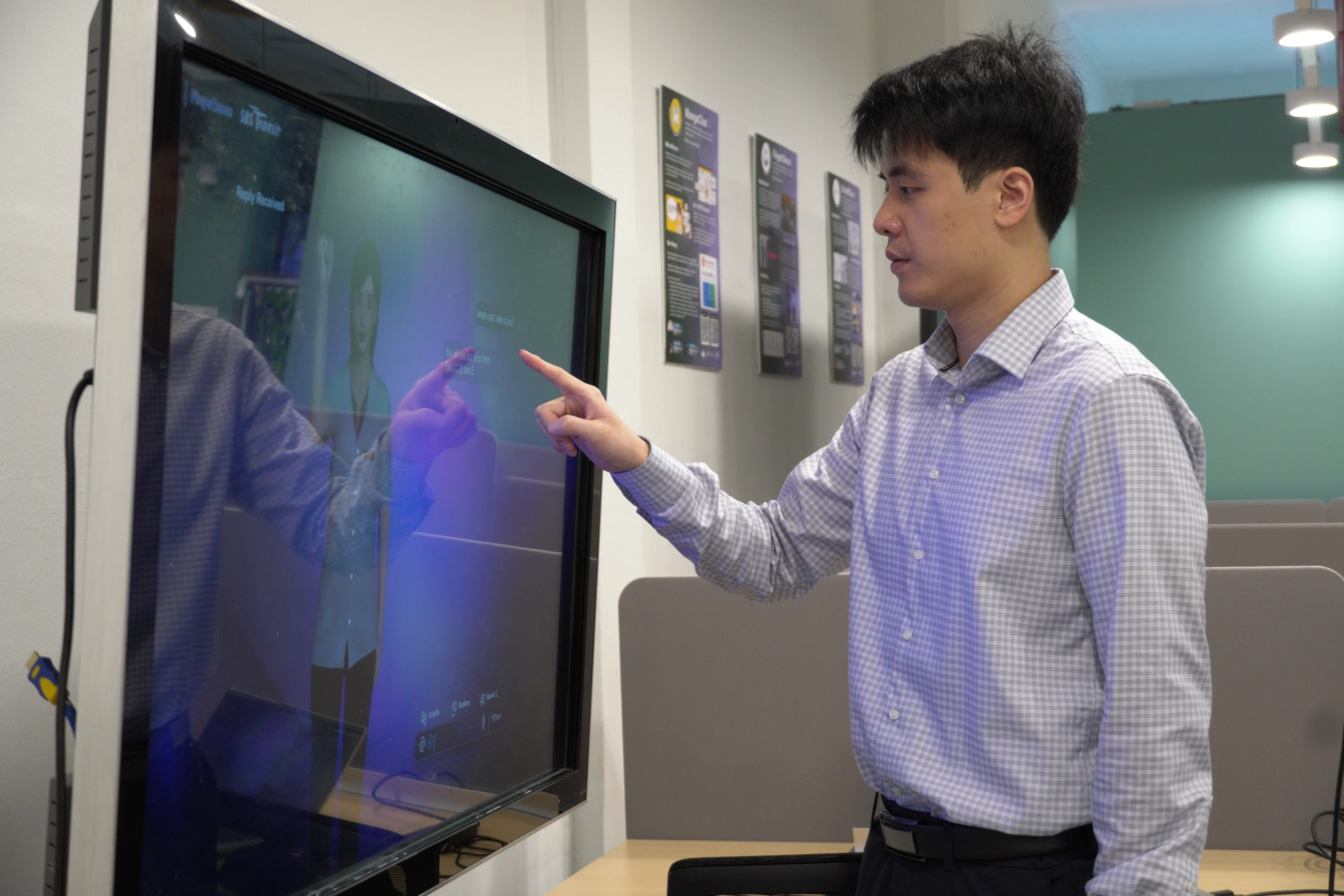
Gong He (MSBA ’23) is a technologist whose Deaf friends kept surfacing the same problem: text-based communication only goes so far. It carries a message, but not always the meaning, and that gap stayed with him.
Realising the limits of text as a stand in for conversation, Gong He started looking for a way to put his technical background to more direct use, one that could close that gap rather than work around it.
“We started to think about whether we can use our tech background to do something different. That’s the beginning of the whole journey,” he recalls.
He brought in four co-founders, Zeng Zhen, Xu Xuanqi, Xu Xuanzhuo and Sun Hao, and together they set out to build a way to bridge the communication gap between Deaf and hearing communities. FingerDance was the result.
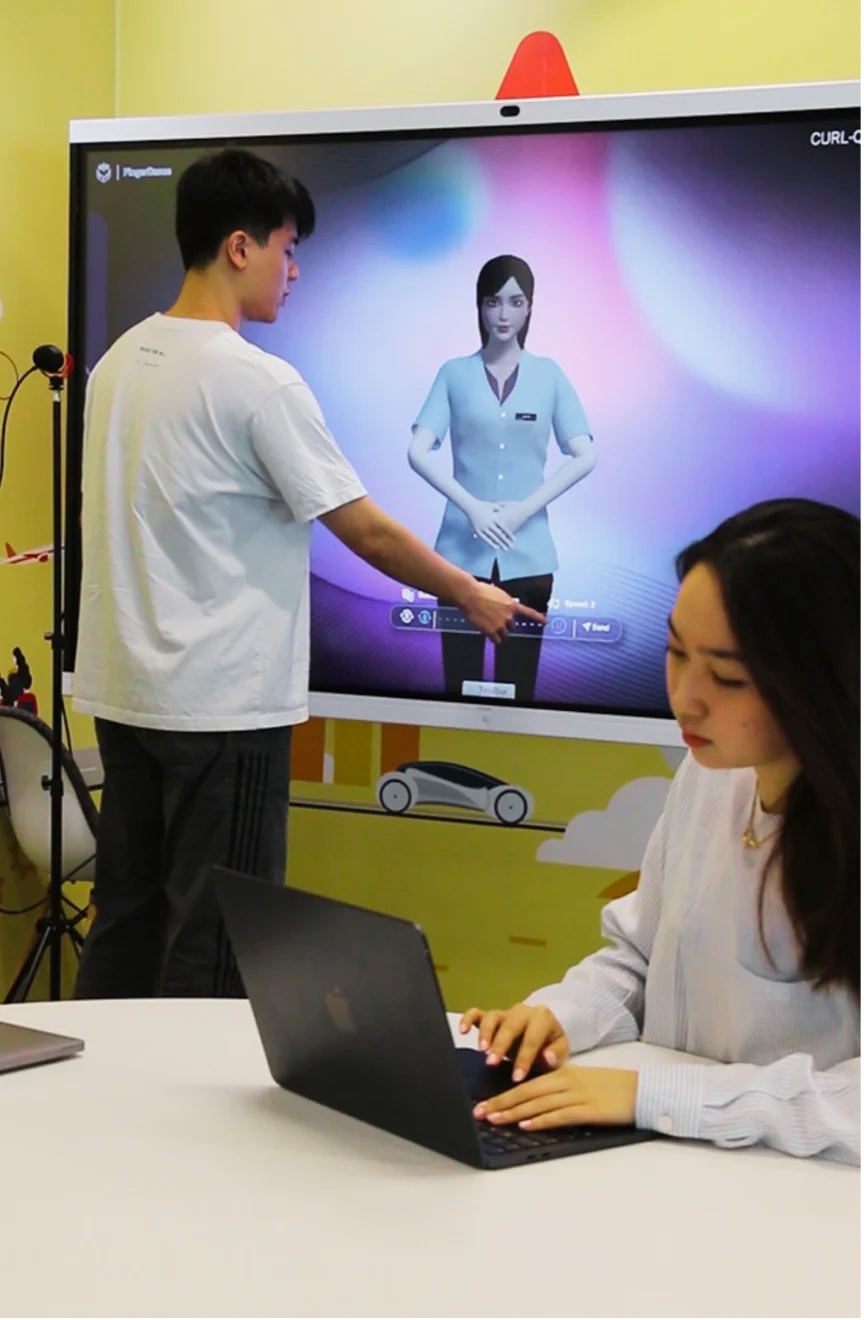
FingerDance’s technology centres on a proprietary Sign Language large language model, FingerDance Sign LLM, paired with an AI avatar system. Built on generative AI trained on a diverse collection of real world sign language data, it translates spoken language into sign language, so Deaf and hard of hearing users can receive information in the language they actually use.
“With AI Sign Language Technology, we are bridging the gap between sign language and spoken language, making real-time information and services accessible for the Deaf and hard-of-hearing communities. Our aim is to build a smarter and more inclusive world with AI,” Gong He says.
To keep the underlying Sign Language model accurate, FingerDance works with the Singapore Association for the Deaf (SADeaf) to integrate Singapore Sign Language (SgSL) into its products. The collaboration keeps Deaf and hard of hearing users involved throughout development, so their feedback shapes how the local sign language is recorded and used. The same core AI model also powers accessible sign language services for web text, news, events and conferences, extending the technology from physical settings into digital ones.
Reaching product market fit in a B2B market wasn’t straightforward. Convincing government and industry stakeholders took extensive market research and a clear demonstration of what the technology could do. Support from the NUS Enterprise ecosystem, including the NUS Graduate Research Innovation Programme (GRIP), gave the team mentorship, resources and access to industry experts that helped refine both the product and the business model.
FingerDance’s first physical deployment is SiLViA, piloted with SBS Transit at a kiosk within Chinatown MRT station. Deaf and hard of hearing commuters can say or type a query, and SiLViA responds in both spoken and sign language, including translating live audio announcements into sign language in real time.
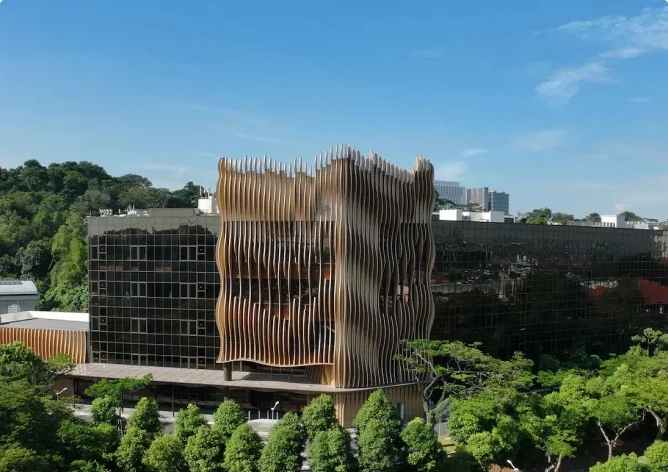
In July 2024, FingerDance was named one of seven start ups selected for the Technology for Sustainable Social Impact (TS2) accelerator, a programme run by NUS Enterprise and the Singapore Centre for Social Enterprise (raiSE) that committed US$3.5 million to tech based social enterprises. The start-up now works out of the new BLOCK71 Social Impact Hub, a space NUS Enterprise opened for purpose driven ventures.
“Every time we get positive feedback during our workshops with different users, it gives us the confidence that our work will be useful for them, in the future, we plan to integrate more sign languages in different countries and regions, using our solutions to benefit Deaf people all over the world."
Gong He
2023:
2024:
Ongoing:
Kimu Studio · Seoul, South Korea
“My goal is for society to see our Special Designers as artists, no different from anyone else.”
A conversation with Jangwon Nam, Co-founder of Kimu Studio.
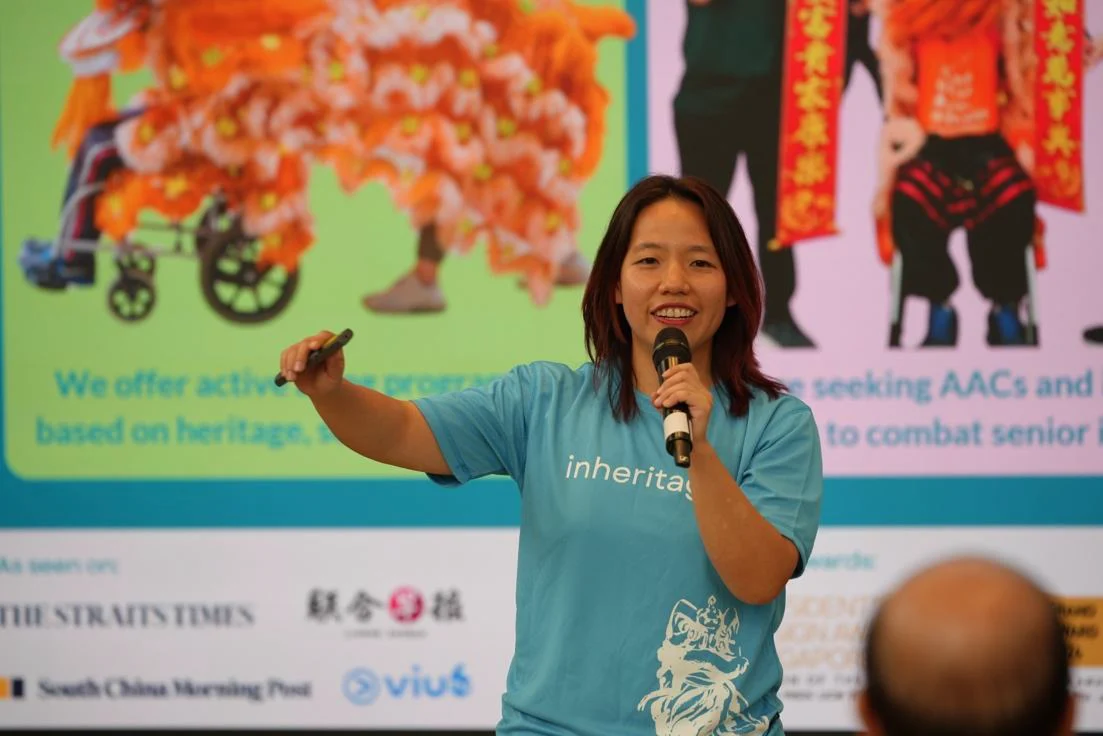
Inheritage · Singapore
“We want to prove that age does not limit what you can achieve.”
A conversation with Lynn Wong, Founder of Inheritage.
[COOKIES]
We use cookies to keep the site working, understand how it is used and improve your experience. Nothing beyond the strictly necessary runs until you choose. Details are in our Cookie Policy.
[COOKIE PREFERENCES]
Choose the categories you consent to. You can change or withdraw your choice at any time from “Cookie settings” in the footer.
Required for the site to work: security, navigation and remembering this choice. They cannot be switched off.
Anonymous statistics on how the site is used, so we can see what works and improve it.
Remember your preferences and enable enhanced features such as embedded media and forms.
Set by our partners to measure campaigns and show relevant content on other sites.